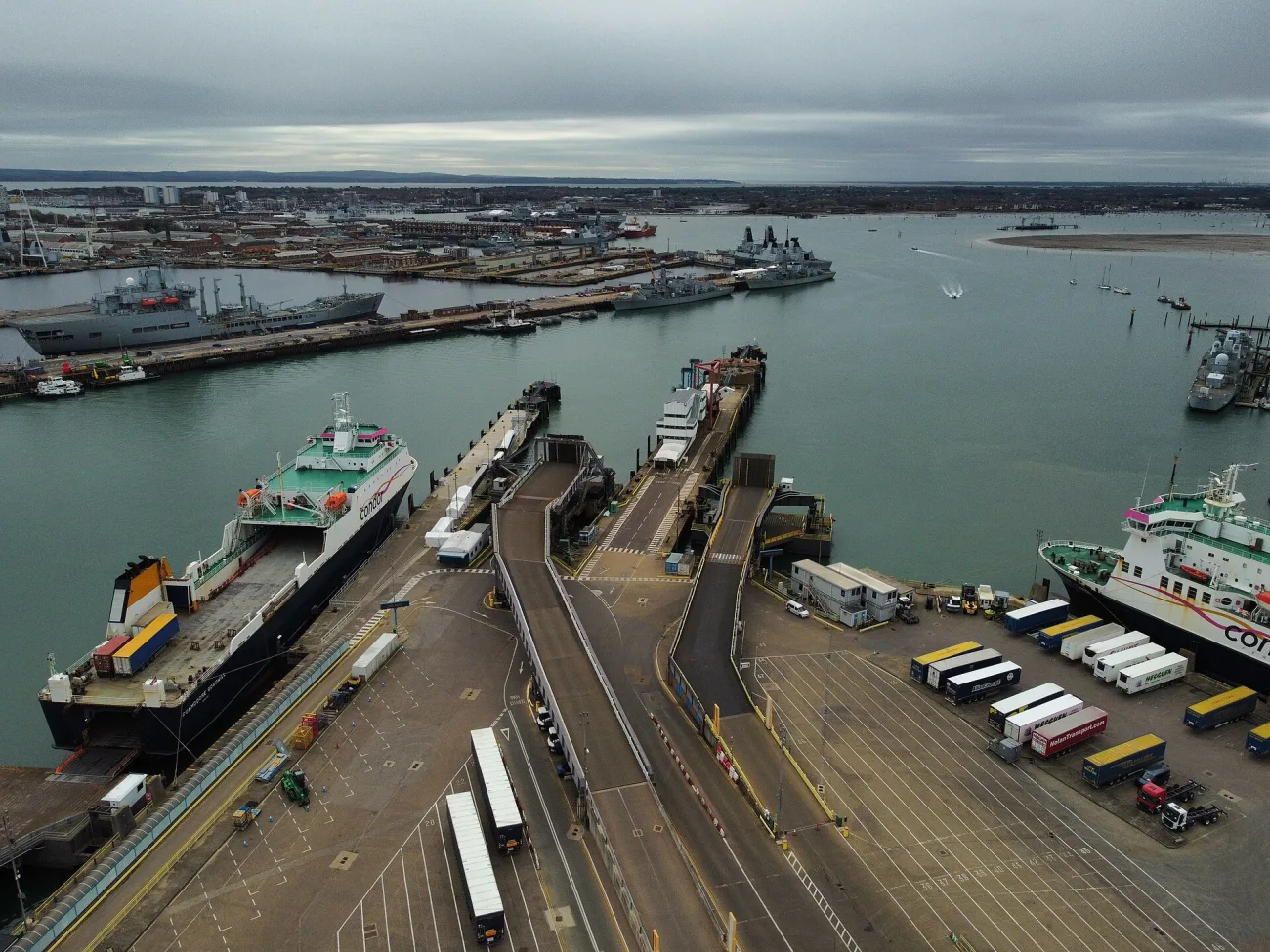
Portsmouth is Brittany Ferries’ busiest UK base, and for anyone in the south who wants to reach France or Spain with their own car, it is the obvious place to start. From one port you can sail overnight to Brittany, cross to Normandy in an afternoon or spend a night or two at sea on the way to northern Spain, skipping the long drive through France entirely.
You might also like
With several routes running from the same terminal, the hard part is choosing. This guide pulls them together: where you can sail, how long each crossing takes, what the ships are like, and how to pick and book the right one.
The French routes
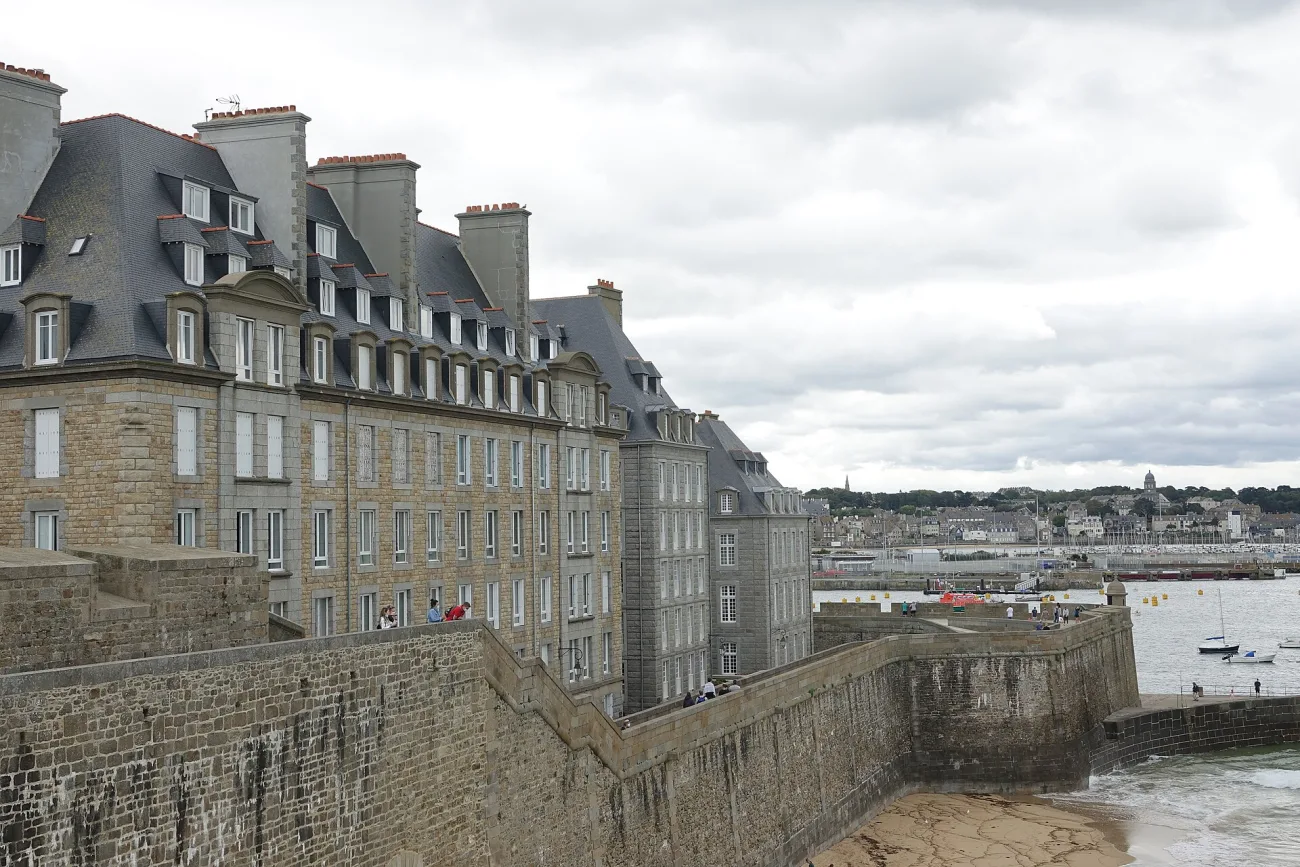
France is the heart of the timetable. The workhorse is the route to Caen, strictly speaking Ouistreham, which takes around seven hours and runs up to three times a day, making it the easy all-rounder for Normandy and beyond. The quickest hop is to Cherbourg at roughly four and a half hours, handy for the Cotentin peninsula, while the overnight sailing to St Malo lands you right beside the ramparts of the Breton corsair town.
For the detail on the two most popular French crossings, see our guides to the Portsmouth to Caen ferry and the Portsmouth to St Malo ferry. Note that the Portsmouth to Le Havre service has recently been withdrawn, so Caen is now the route to aim for if you are heading that way.
The Spanish routes

The long-haul sailings are what set Portsmouth apart. Brittany Ferries runs across the Bay of Biscay to Bilbao and to Santander, each taking in the region of 30 to 34 hours, so you spend one or two nights on board and arrive in northern Spain with the car already unpacked. Both routes typically run a couple of times a week, with more sailings in summer.
The two Spanish crossings are covered in full in our guides to the Portsmouth to Bilbao ferry and the Portsmouth to Santander ferry, including which end of the coast each one suits.
The ships and life on board
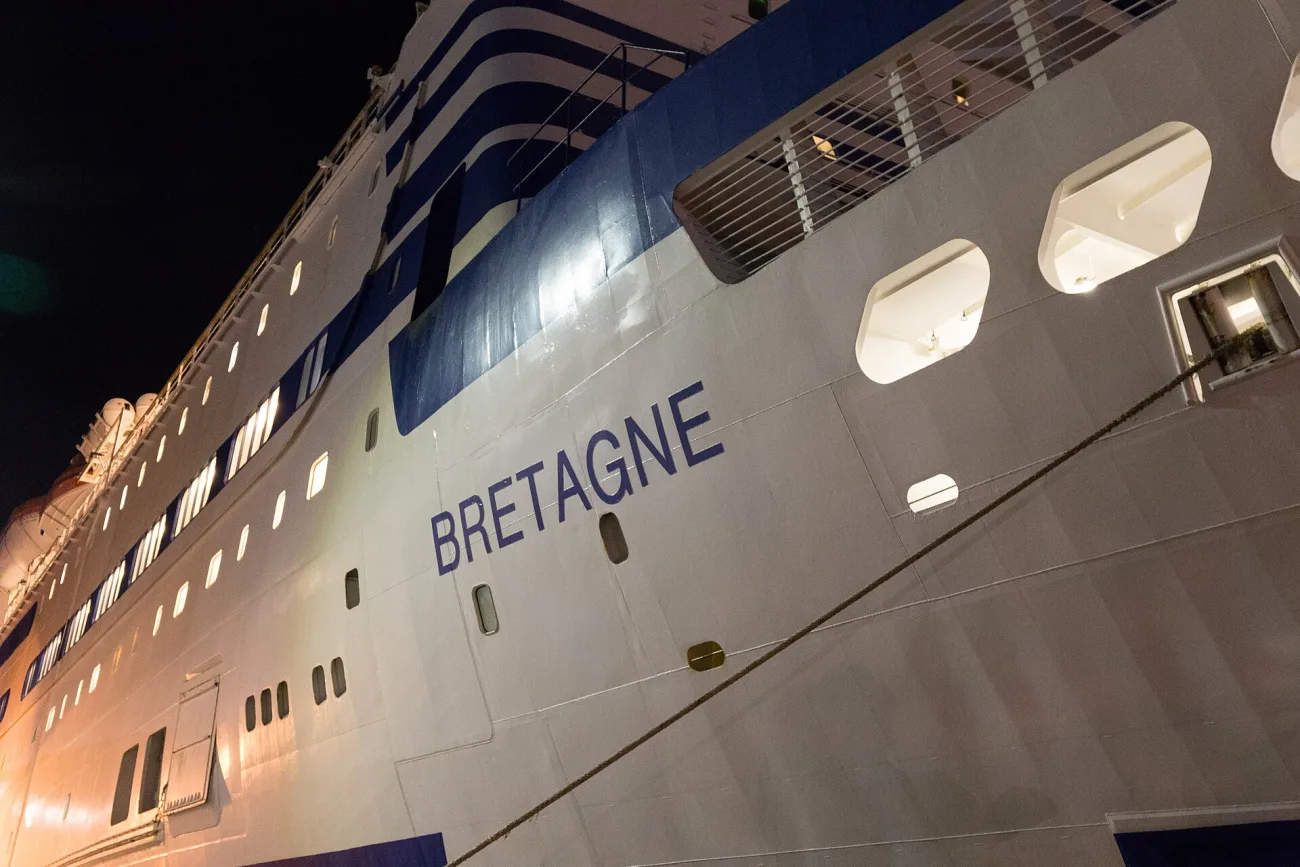
Brittany Ferries runs cruise-ferries rather than no-frills boats, and on the longer crossings the ship is part of the holiday. Expect cabins, restaurants and bars, shops, a cinema and open deck space, with a small pool on some of the Spanish vessels. On the short French hops a reclining seat is fine, but for an overnight or a Spanish sailing a cabin is effectively essential.
The quick summary of the main routes looks like this:
| Route | Crossing time | Rough frequency |
| Caen (Ouistreham) | About 7 hours | Up to 3 a day |
| Cherbourg | About 4 to 5 hours | Several a week |
| St Malo | About 9 to 11 hours | Up to daily in summer |
| Bilbao | About 32 hours | Around twice a week |
| Santander | About 32 to 34 hours | Around twice a week |
Where the ferries leave from
Every Brittany Ferries sailing goes from Portsmouth International Port on the western shore of the city, just off the M275, not from the Historic Dockyard or the harbour railway station. It has its own check-in lanes and paid parking for foot passengers, and check-in closes well before departure, so leave plenty of time. For more on the terminal itself, see our guide to Portsmouth International Port.
Follow the port signs rather than the city-centre ones when you drive in, as the two lead to very different places.
Choosing a route and booking
Picking the right crossing comes down to where you are headed and how much of the journey you want at sea. For Normandy and a quick turnaround, take Caen or Cherbourg; for Brittany, the St Malo overnight; for northern Spain and a road trip, one of the long Biscay sailings. One traveller put the appeal of the whole operation simply.
You drive on at Portsmouth, have dinner, go to bed, and wake up in another country with your own car ready to go.
Whichever route you choose, the advice is the same: book early for a cabin and the best fares, avoid the school holiday peaks where you can, and weigh the ferry against flights plus car hire rather than flights alone. Do that, and sailing from Portsmouth turns the journey into part of the trip.