If your Sunday nights have felt a little too quiet lately, the BBC has a cure. The Witch Farm, a four-part ghost story that has been climbing the search charts across Britain this week, reaches screens this weekend, and it arrives with the sort of claim that keeps a bedside lamp burning, namely that a good deal of it really happened.
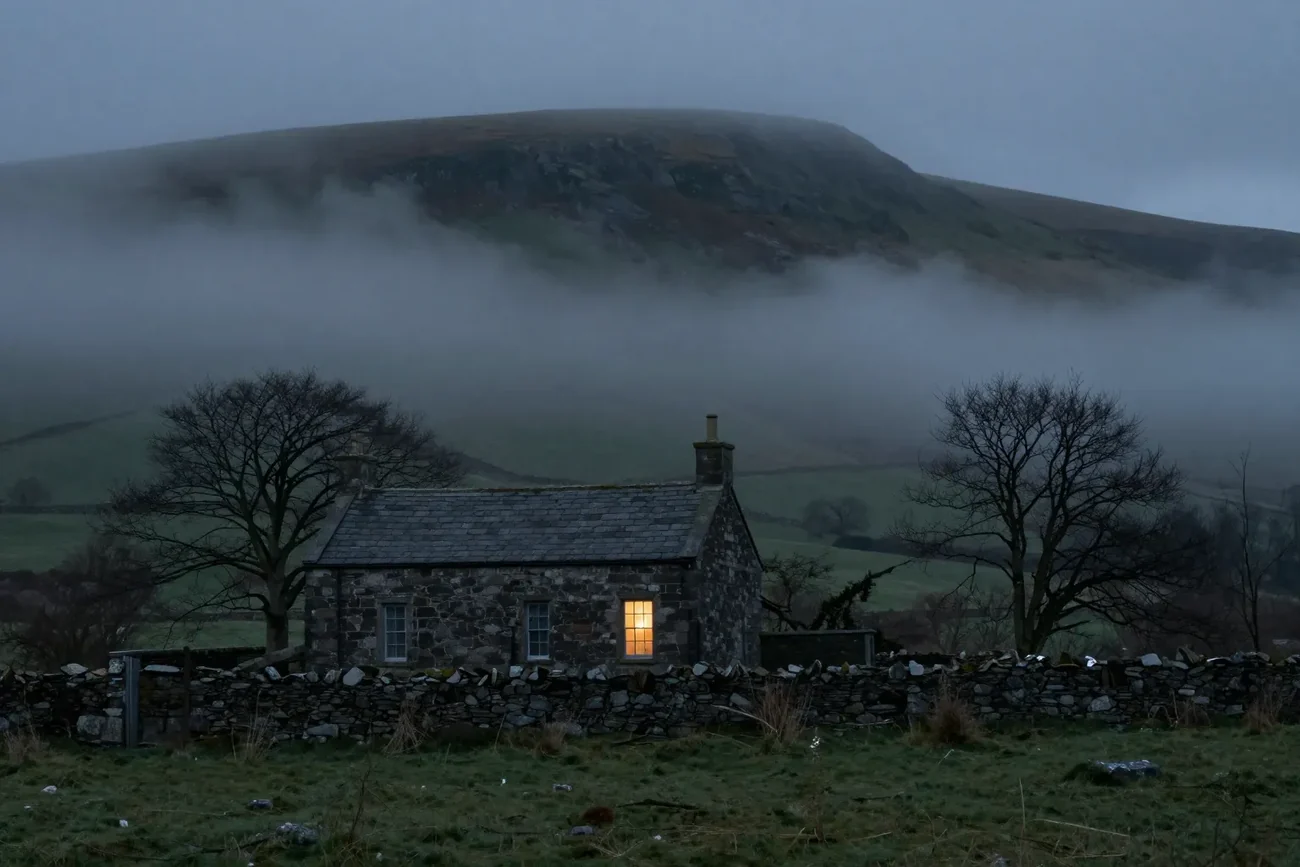
The series comes from Danny Robins, the writer behind the hit paranormal podcast Uncanny, and it drags the viewer back to a lonely farmhouse in the Welsh hills in 1989. Portsmouth And has gathered what the drama is about, who stars in it and exactly when you can watch, with every detail checked against the BBC listings.
When you can watch it
The story arrives in two halves across two Sunday nights, with a head start for anyone who cannot wait for the television slot. The table below lays out the run.
| Detail | What to know |
| Channel | BBC One and BBC One Wales |
| Streaming | BBC iPlayer |
| Episodes | Four, around an hour each |
| First two episodes | Sunday 22 November, on iPlayer from 6am |
| Television premiere | Sunday 22 November, 9pm on BBC One |
| Final two episodes | Sunday 29 November |
| Writer | Danny Robins |
| Setting | Heol Fanog, rural South Wales, 1989 |
So you can binge the opening pair the moment you wake on Sunday, or save them for the proper fireside hour at nine. Either way, the second half waits a full week, which is one way to make sure nobody sleeps soundly in between.
The real haunting that started it all
The drama is built on one of the most unsettling cases Robins has ever dug into. In the late 1980s Bill and Liz Rich moved from London to Heol Fanog, a remote farmhouse in the foothills of the Brecon Beacons, hoping for a fresh start with their young son. What they found instead, so the accounts go, was something that would not leave them alone.
Move to the middle of nowhere for a bit of peace and quiet, what could possibly go wrong.
The family reported strange figures, sudden cold, unexplained fires and bills that drained them dry, a slow siege that tested their nerves and their marriage. Robins first told the story as a podcast for BBC Radio 4, weaving together first-hand memories, sceptical voices and the theories of those who believe the house was genuinely troubled.
The television version keeps that spine while dressing it for drama. The BBC has been clear that some characters, moments and timelines were changed or invented for the screen, so purists of the original tale may spot a few liberties. The bones of the Heol Fanog story, though, are very real to the people who lived it.
Who leads the cast
Robins has pulled together a strong ensemble of familiar faces, several of them known for drama with a darker edge. The principal players line up as follows:
- Gabrielle Creevy as Liz, the mother holding the household together;
- Michael Socha as her husband Bill, an artist chasing a quieter life;
- Sian Gibson as Bethan, a role that pulls her well away from comedy;
- Jeremy Swift as the investigator Eddie Burks;
- Lewin Lloyd, Robert Pugh, Edward Holcroft, Suzanne Packer and Roger Evans rounding out the cast.
Stacey Gregg directs, and the mix of seasoned character actors and rising names is clearly meant to keep the fear grounded in ordinary people rather than cheap jolts. A haunting only bites when you believe the family at the centre of it.
The man who turned ghosts into a career
Danny Robins has quietly become Britain’s go-to storyteller for things that go bump in the night. His podcast Uncanny turned listener ghost stories into a national talking point, while The Battersea Poltergeist did the same for one of the country’s most famous hauntings, and his stage play 2:22 A Ghost Story has filled West End theatres with people too scared to look away.
What sets his work apart is the refusal to tell you what to think. He lays out the believers and the doubters side by side, then lets you squirm in the gap between them. The Witch Farm looks set to follow the same recipe, serving a chill without ever quite closing the case.
Should you watch with the lights on
Early word points to a slow, creeping dread rather than a parade of monsters, the kind of horror that works on your imagination long after the screen goes dark. A rural setting, a period that predates the mobile phone, and a family with nowhere to run, it is a classic haunted-house setup done with real care.
If you enjoyed the queasy atmosphere of Robins’ earlier work, or simply want a proper fright before Christmas, this is shaping up to be the November drama to talk about. Just maybe keep the hall light on, for old times’ sake.
A few questions before Sunday
A handful of things tend to come up whenever this one is mentioned, so here are quick answers.
Is The Witch Farm based on a true story?
Yes, in large part. It draws on the real experiences reported at Heol Fanog and on Robins’ own podcast investigation, though the BBC says certain details were reshaped for the drama.
How many episodes are there?
Four in all, each running around an hour. The first two drop together, and the final two follow a week later.
Where is it set?
In rural South Wales in 1989, at a remote farmhouse called Heol Fanog in the foothills of the Brecon Beacons, far from the nearest neighbour.
Do I need to have heard the podcast first?
Not at all. The series stands on its own, so newcomers can dive straight in, and fans of the audio version get to see the story brought to life.
With the clocks long back and the nights at their longest, the BBC has timed this one nicely. For another big release landing this month, see our look at when GTA 6 finally arrives, find more ideas in our things to do guides, and catch the rest of our latest news. The Witch Farm begins on Sunday 22 November.