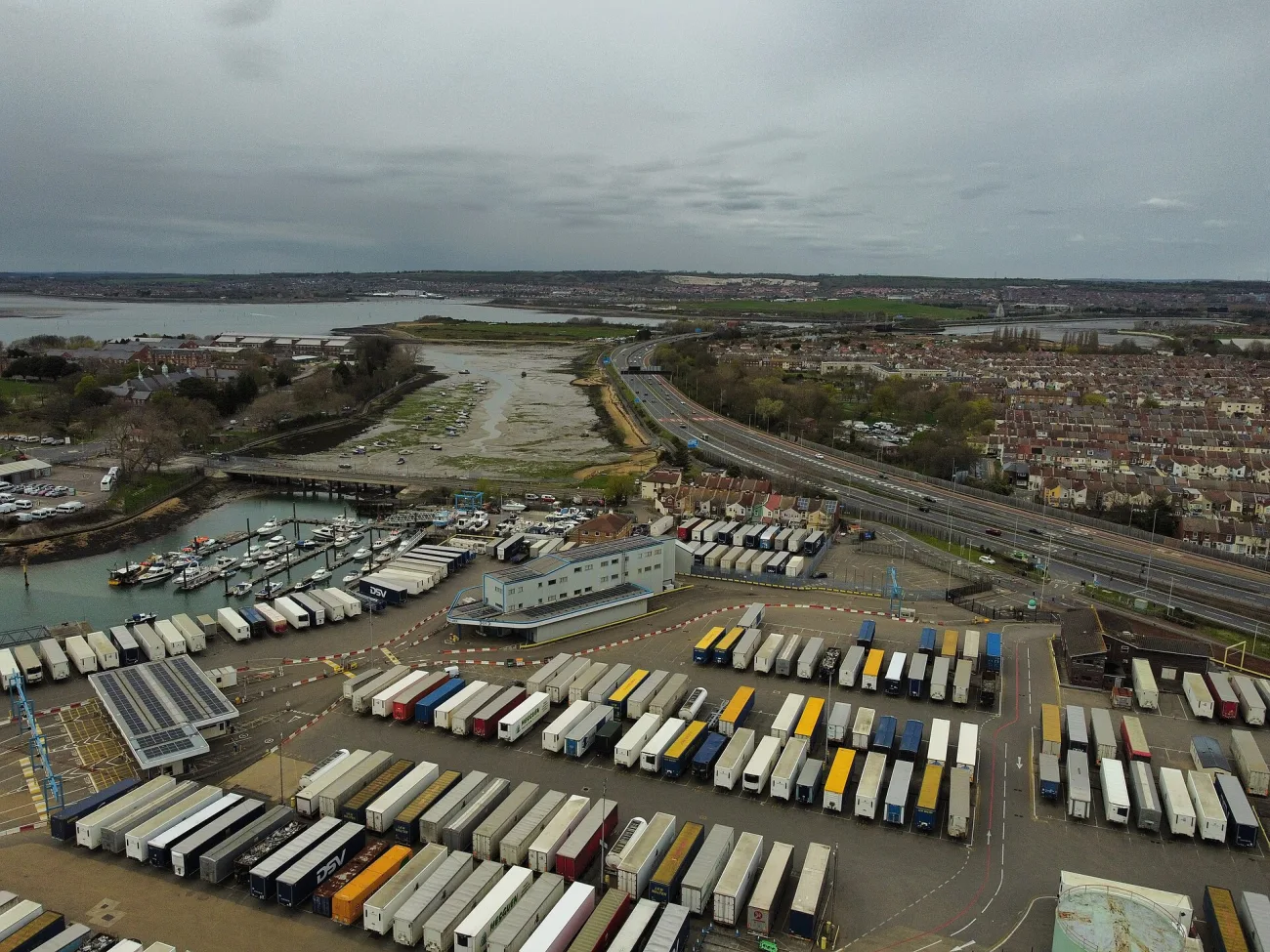
Portsmouth International Port is the city’s working gateway to the continent, and one of the busiest cross-Channel ferry ports in the country, usually ranked second only to Dover. From here you can sail to France, to northern Spain and to the Channel Islands, and in growing numbers cruise ships tie up too.
You might also like
It is a proper passenger port rather than a quayside afterthought, with check in desks, a terminal building and lanes of freight waiting to roll on. If you have never used it, here is what sails from where, and how to reach the terminal.
Where the port is, and what it is not
The port sits at the end of the M275, close to Whale Island and about a mile north of the Historic Dockyard and the city centre. That motorway access is deliberate: drivers can come off the M27 and be in a boarding lane within minutes, without threading through town.
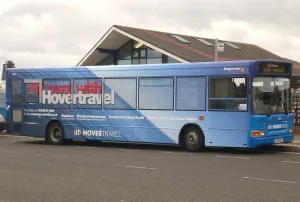
One thing trips up newcomers, so it is worth saying plainly. This is the terminal for the long crossings to France, Spain and the Channel Islands, and for cruises. The Isle of Wight boats are a separate thing entirely: the Wightlink car ferry, the Fastcat and the Hovertravel hovercraft leave from Old Portsmouth, Portsmouth Harbour station and Southsea seafront, not from the International Port. Turn up at the wrong one and you will have a frustrating morning.
Ferries to France and Spain
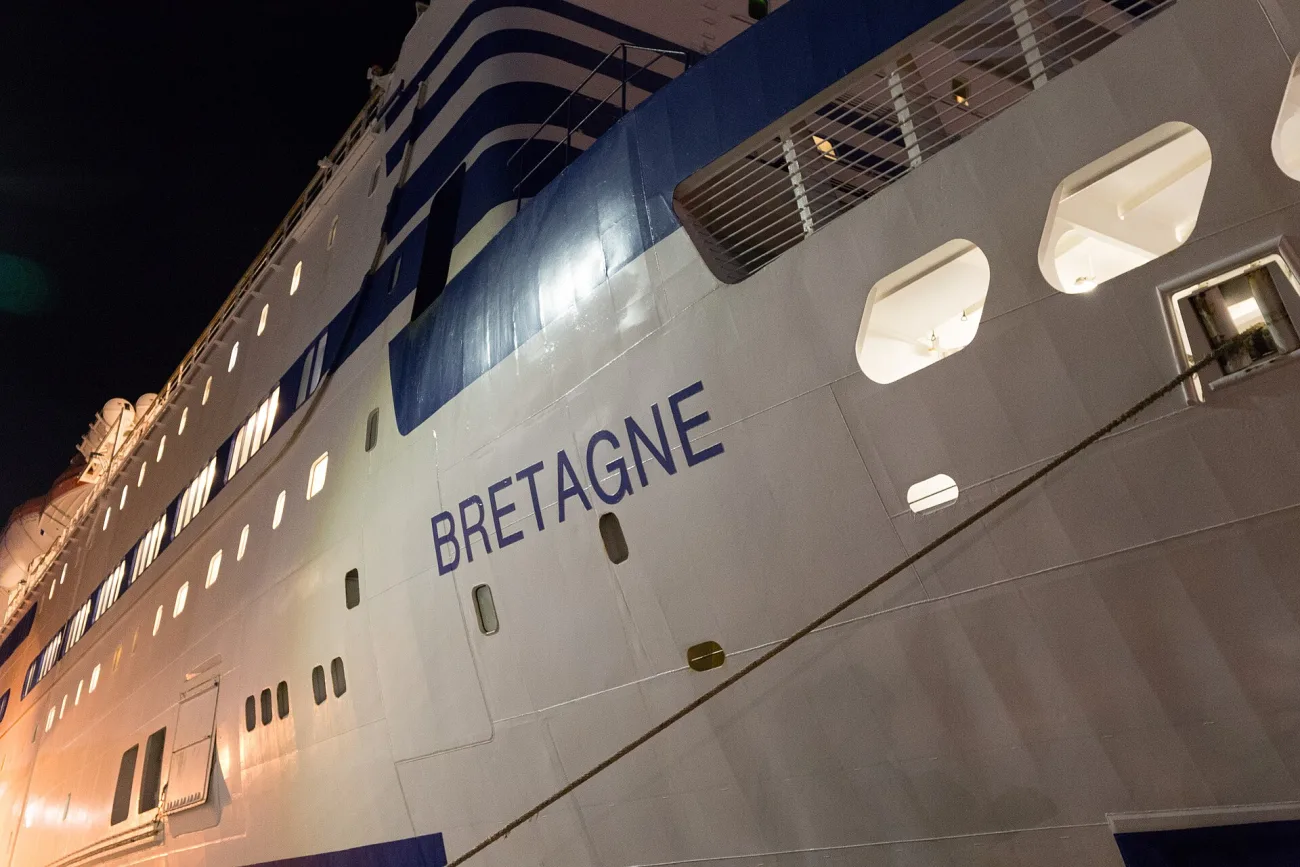
Brittany Ferries is the big name here, running most of the crossings and giving the port its holiday feel. The French routes are the backbone, with sailings to Caen (Ouistreham), Cherbourg, Le Havre and St Malo, most of them a comfortable few hours or an overnight hop with a cabin.
The port is also one of the few places in Britain where you can sail straight to Spain. Crossings run to Santander and to Bilbao, and these are a different proposition, roughly a day at sea, between about 24 and 32 hours depending on the sailing. People treat them as a mini cruise in their own right, with cabins, restaurants and the Bay of Biscay rolling past.
In short, the French menu looks like this:
- Caen (Ouistreham), handy for Normandy and the D-Day beaches;
- Cherbourg, a quick gateway to the Cotentin peninsula;
- Le Havre, well placed for Rouen, Honfleur and the autoroute south;
- St Malo, the walled Breton port and a favourite for a long weekend.
Whichever you pick, booking ahead and travelling midweek tends to keep the fares down, as the Portsmouth And team has found more than once.
Crossings to the Channel Islands
The port is also the mainland link to the Channel Islands, with sailings to St Helier on Jersey and St Peter Port on Guernsey. These routes are now run by DFDS, which took the islands contract over from Condor, so if you remember the old Condor crossings you are in the right place, just under a new flag.
The islands make an easy short break from the south coast, and travelling by sea means you can take the car and your luggage without the weight limits of a flight. Check whether your sailing is a daytime or an overnight one, as both operate and the cabins on the night boats are worth having.
A growing cruise port
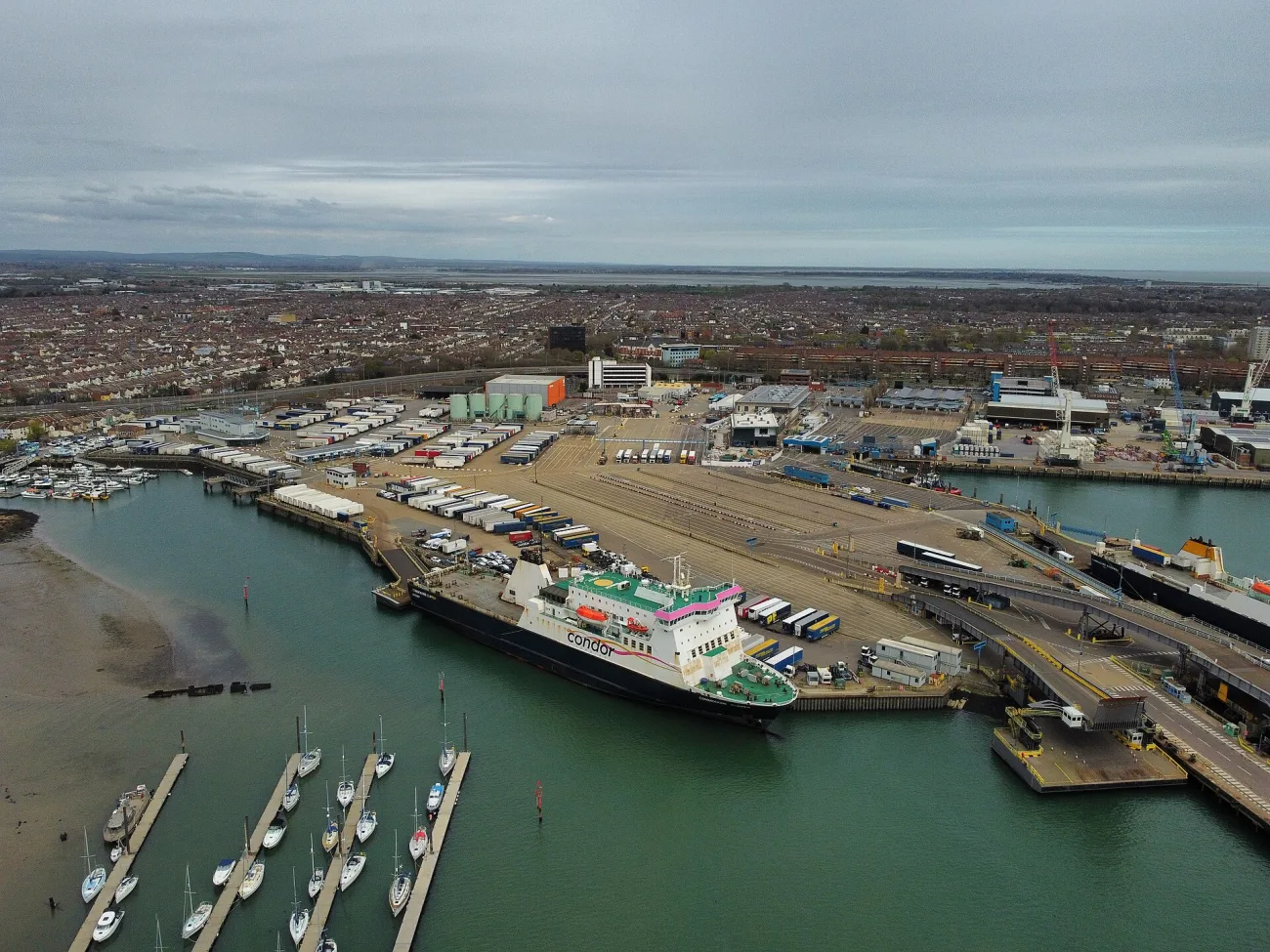
Alongside the ferries, Portsmouth has quietly built up a cruise business. It tends to attract the smaller and more boutique lines rather than the floating megacities that favour Southampton, which suits a city that likes to show visitors its history rather than process them in their thousands.
The council has been investing to grow that trade, with plans to extend a berth to take ships up to 255 metres long and to upgrade the terminal with dedicated cruise facilities. The hope is to lift annual cruise passengers from around 50,000 towards 150,000, which would put Portsmouth firmly on the itinerary.
For a city built on the sea, it feels right that you can still leave it by ship, whether that is a night boat to Caen or a cruise setting off down the Solent.
If you are seeing friends off or just like watching the ships, the upper decks of the Spinnaker Tower give a grand view of the comings and goings.
Getting to the terminal
By car the port is the easy option, signed straight off the M275 with its own parking for those leaving a vehicle behind. By coach, National Express services into Portsmouth put you within reach, and foot passengers check in at the terminal much as they would at an airport.
By train, the nearest stations are Portsmouth Harbour and Portsmouth and Southsea, both a short taxi ride from the port rather than walking distance with cases; our guide to getting to Portsmouth by train sets out the routes and tickets. If your journey is by air instead of sea, our rundown of getting to Heathrow and Gatwick from Portsmouth covers that leg.
Cruise passengers with only a few hours ashore can still see plenty: our one day in Portsmouth guide packs the highlights into a single visit. However you arrive, the port is the point where the city stops being a day out and becomes the start of a proper journey.