
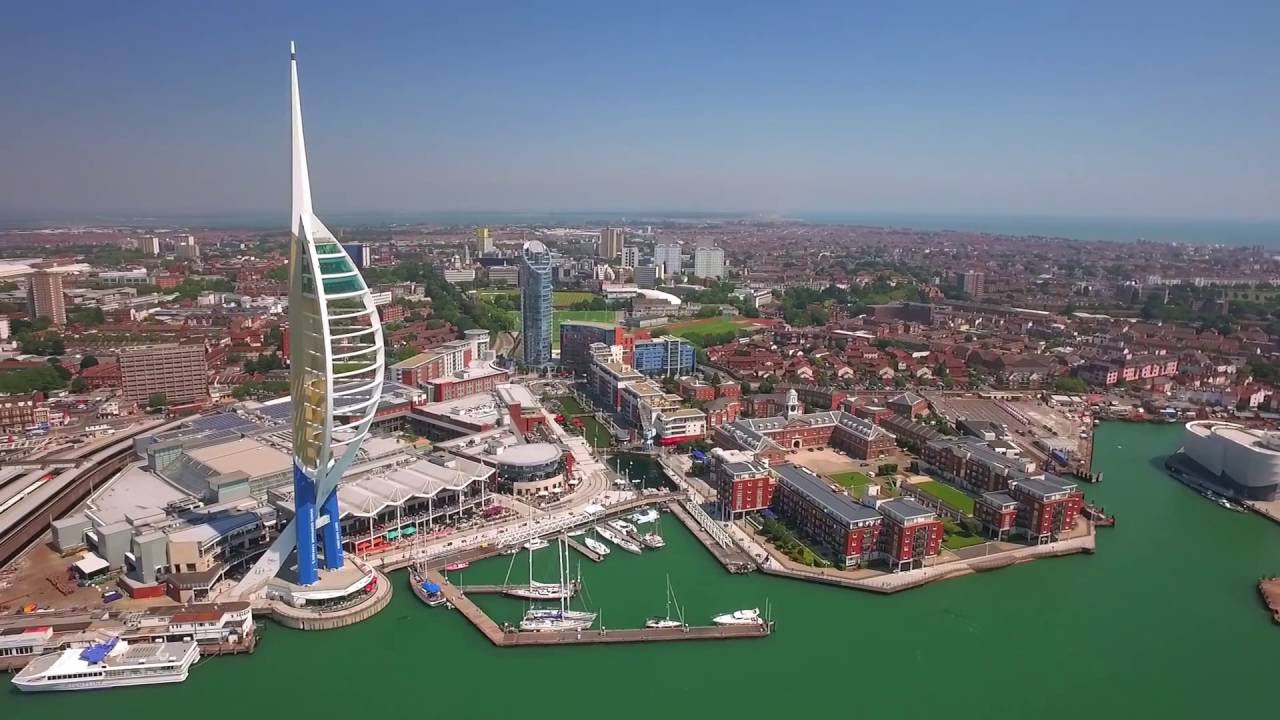
Thinking about moving to Portsmouth? The south coast city offers sea air, a lively student scene and more affordable living than much of southern England, all packed onto a single island. The Portsmouth And team pulled together this newcomer’s guide to help you weigh it up and pick the right area.
It is a city with a strong character, shaped by the Royal Navy and the sea, and it rewards people who like somewhere compact, walkable and a little bit salty round the edges.
What living here is actually like
Portsmouth is the only island city in the United Kingdom, sitting almost entirely on Portsea Island, and it is one of the most densely populated places in the country. In practice that means short distances, a flat and cycle-friendly layout, and a real sense of community in its neighbourhoods.
The flip side of island life is that only a handful of roads cross off Portsea Island, so the main routes north can clog at rush hour. Most residents quickly learn to work around the busy spells rather than fight them.
It is also a proper city for work and study, with the dockyard and defence sector, the port, the University of Portsmouth and a growing tech and tourism scene all based here.
The best areas to live
Where you land makes a big difference to the feel of your new life here. Each part of the city has its own personality and price level, so it pays to match the area to how you want to live:
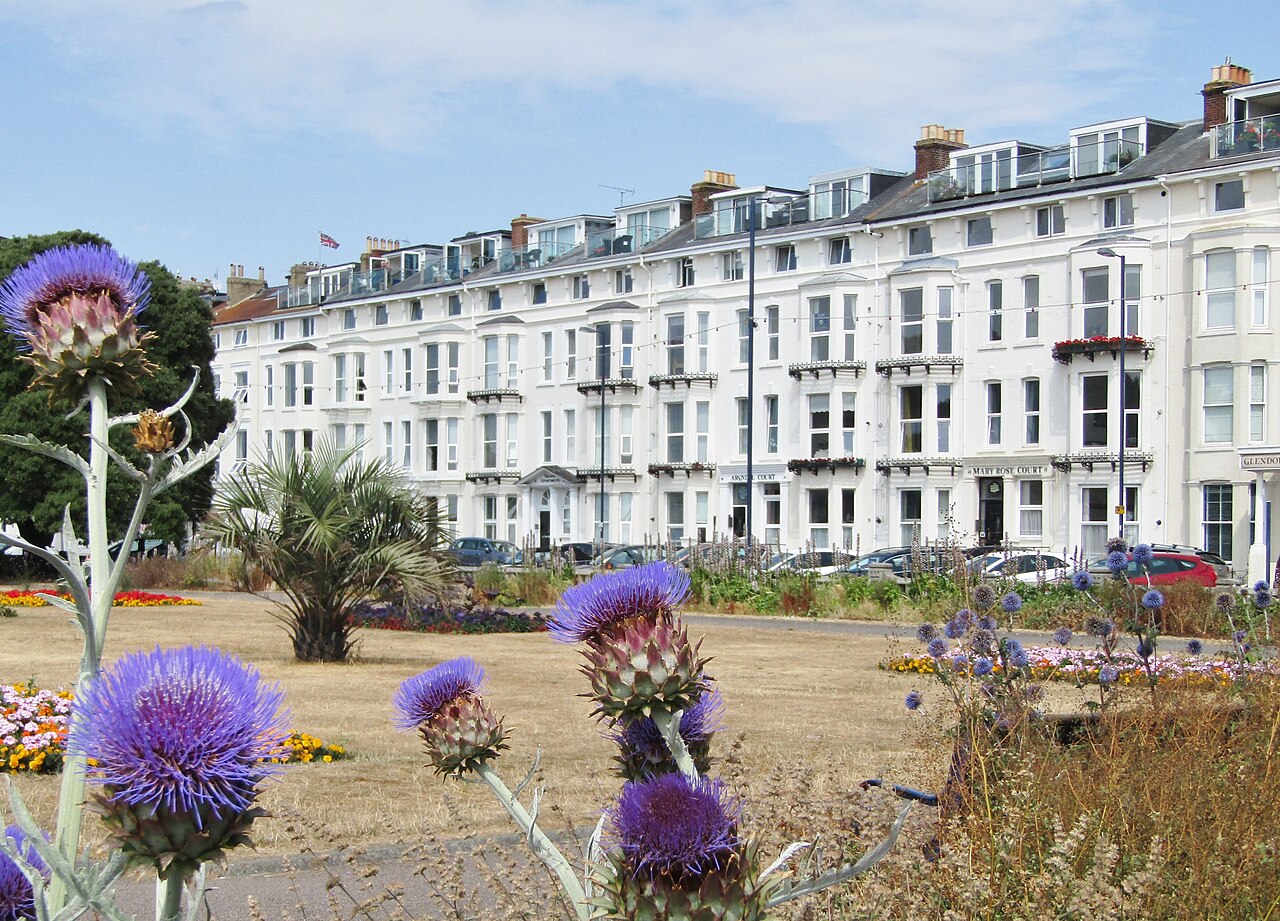
- Southsea, the most sought-after area, with the seafront, cafes, bars and independent shops;
- Old Portsmouth and Gunwharf, historic lanes and waterfront flats at the higher end;
- North End and Fratton, central and more affordable, popular with first-time buyers and renters;
- Cosham, Drayton and Hilsea, quieter and greener in the north, handy for the motorway and families.
Students tend to cluster around the university and Southsea, which keeps parts of the city young and busy through term time.
Costs, getting around and the practical side
Portsmouth is generally cheaper to live in than nearby Winchester or Chichester and much of the wider south coast, though prices have been rising as more people discover it. As ever, the seafront and historic streets command a premium while the northern suburbs offer more space for your money.
Getting around is easy. Two railway stations link to London and the wider region, the M275 feeds onto the motorway network, and ferries run to the Isle of Wight and France. Within the city many people simply walk or cycle.
For families, the city has a full range of schools and the large Queen Alexandra Hospital in Cosham, while the seafront, parks and Isle of Wight on the doorstep make for an outdoor-friendly base.
Is Portsmouth a good place to move to
For sea lovers, students, first-time buyers and anyone after a compact, well-connected city, our editors think Portsmouth is an easy place to recommend. You get coast, culture and history without the price tags of the bigger southern cities.
It is not without trade-offs. The island is densely built and parking is tight in the older streets, so weigh up a car carefully depending on where you land.
Spend a weekend walking a few different areas before you commit, from Southsea to Old Portsmouth to the quieter north, and you will quickly feel which corner of the island fits you best.