
The crossing to Bilbao is the longest ferry Portsmouth offers and the closest thing the city has to a mini-cruise. Instead of a short hop to France you spend a night or two at sea, cross the Bay of Biscay and step off in the Basque Country, car and all, having skipped the long drive down through France entirely.
You might also like
It is a very different proposition to the quick Channel routes, so here is how it works: the operator, the time it takes, the ships, what it costs and what you gain by arriving in northern Spain by sea.
How long the crossing takes
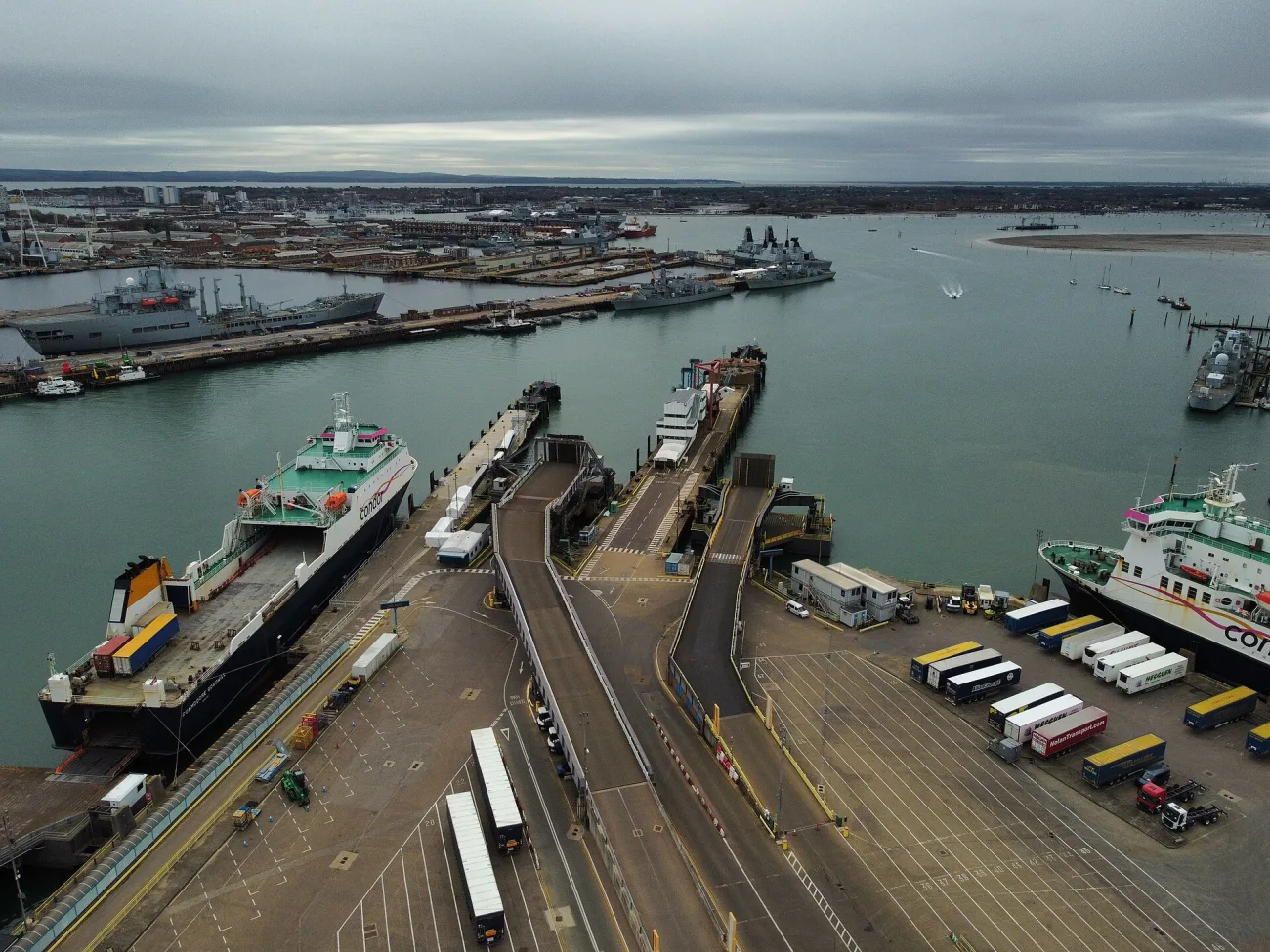
Brittany Ferries is the only operator, sailing from Portsmouth International Port to the port of Bilbao on the Spanish coast. The crossing runs to around 30 to 36 hours depending on the ship and the schedule, which means one or two nights on board rather than a quick overnight. There are usually between two and four sailings a week, with more in summer than in winter.
At a glance, the route looks like this:
| Operator | Brittany Ferries |
| Crossing time | Roughly 30 to 36 hours |
| Frequency | About 2 to 4 sailings a week |
| Ships | Galicia, Salamanca, Santoña and sister vessels |
Every sailing leaves from Portsmouth International Port on the western shore of the city, just off the M275 and well signposted from the motorway, so follow the port signs rather than the city-centre ones.
Life on board
Because you are aboard for so long, the ship matters as much as the destination. The newer vessels on the route are built for the long haul, with cabins, restaurants and bars, shops, a cinema and outdoor deck space, and some have a small pool. A cabin is effectively essential rather than optional on a crossing this length.
Two things are worth planning for:
- the Bay of Biscay can be lively, so pack travel-sickness remedies if you are prone to it;
- onboard entertainment and restaurant tables get busy, so settle in and book a dinner slot early rather than leaving it late.
Treated as part of the holiday rather than dead time, the long crossing is genuinely enjoyable, closer to a short cruise than a transfer.
What it costs
This is rarely the budget way to reach Spain, and it is not trying to be. Fares move a lot with the season and how early you book, but as a rough guide a foot passenger can cross from around 50 pounds one way in the quieter months, while a car with passengers tends to start near 180 pounds and climbs to 300 pounds or more at the summer peak. A cabin is an extra charge on top, often adding somewhere between 80 and 150 pounds depending on the type, and is effectively required on a crossing this long. Average fares sit around 200 to 250 pounds off-peak and well over 500 pounds in high summer, so always check a live quote before you book. The sum that makes sense is not ferry against flight alone, but ferry against flights plus car hire, fuel and the days a long drive would eat, because here your own car arrives with you.
As always, book early, avoid the summer peak where you can, and compare a few dates, as prices on this route swing widely.
Arriving in the Basque Country

Bilbao rewards the effort. The Guggenheim and its titanium curves pull most visitors first, but the real pleasure is the Casco Viejo, the old quarter, and the Basque habit of moving from bar to bar grazing on pintxos. The ferry port sits a short ride from the centre, with the city easy to reach by road or metro.
It is also a springboard for the whole region. San Sebastian and its beaches are an hour or so east, the Rioja wine country lies to the south, and the rugged Basque coast runs in both directions. One foot passenger put the draw of arriving by sea simply.
By the time you dock you have already relaxed, and then the Basque coast is right there waiting, it is a wonderful way to start a Spanish trip.
Few arrivals in Spain feel as unhurried as stepping off the boat into Bilbao.
Should you take it?
The Bilbao ferry suits anyone travelling with a car, touring northern Spain, or simply happy to turn the journey into part of the break. If you only want to reach a city cheaply and fast, fly. If you want your own wheels, no airport queues and a slow start to a Basque or Rioja road trip, this long, comfortable crossing is well worth the hours at sea.