
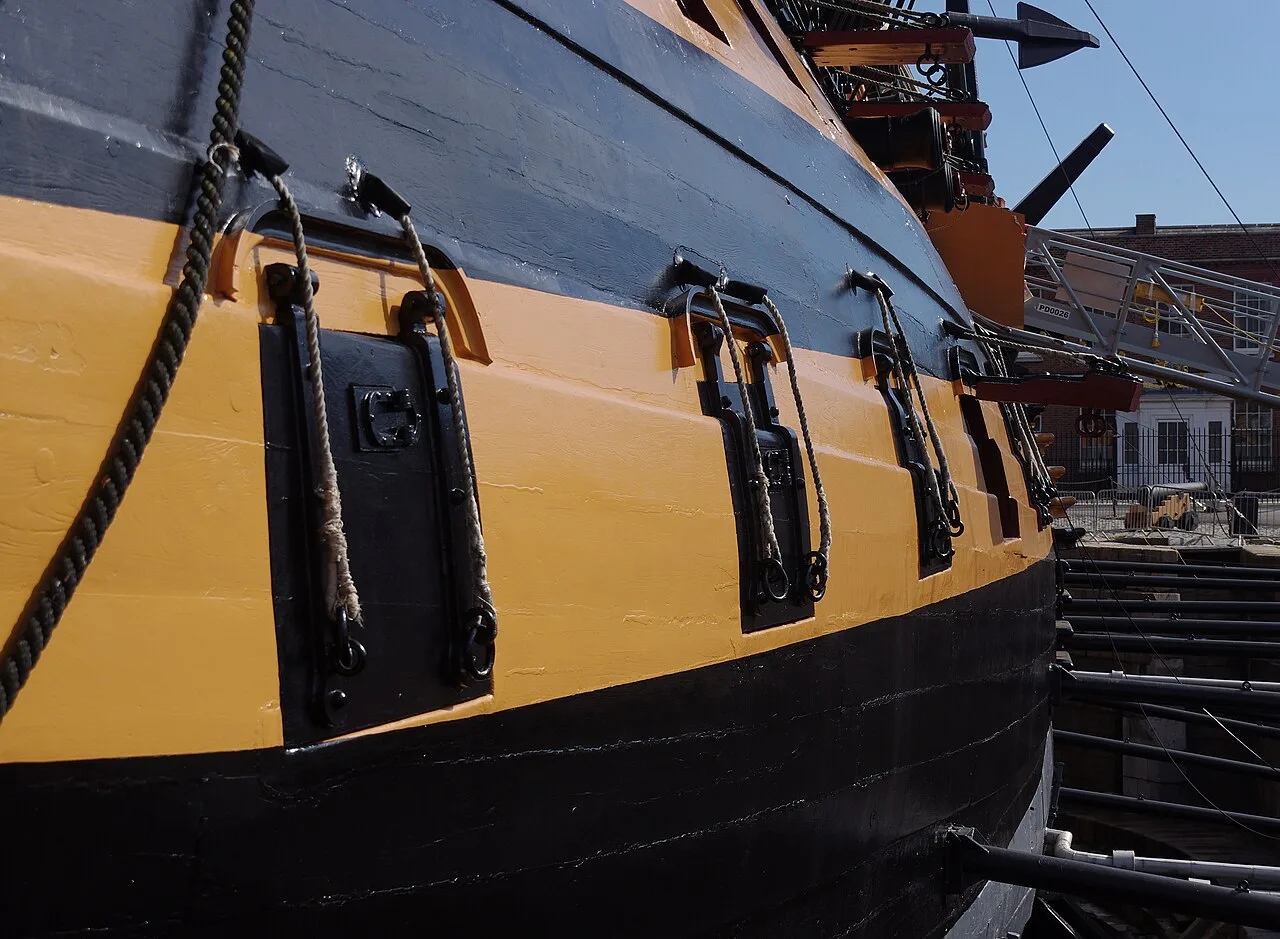
Few places in England wear their history quite as openly as Portsmouth. Built largely on Portsea Island on the Hampshire coast, the city has spent more than eight centuries as a port, a naval base and a gateway to the wider world. Its streets, forts and preserved warships tell a story of kings and sailors, invasion scares and great voyages.
If you want to understand why Portsmouth matters, this short history of the city is the place to start. It traces the maritime past that still shapes the waterfront today, and points you towards the places where you can see it for yourself.
How a naval city was born
Portsmouth’s rise began in the medieval period, when its sheltered harbour made it an obvious spot to build and shelter ships. A royal dockyard was founded here in the twelfth century, and over the following hundreds of years it grew into one of the most important naval bases on earth.
Defending that harbour shaped the city itself. Castles, forts and fortifications sprang up to guard the approaches, and many can still be traced today. Portsmouth, in other words, has spent a very long time keeping a wary eye on the Channel.
The warships that made the city famous
Nowhere else can you stand beside four centuries of shipbuilding in a single afternoon. Here are the three vessels at the heart of the story:
| Ship | Era | Claim to fame |
| Mary Rose | Tudor | Henry VIII’s warship, raised from the Solent in 1982 |
| HMS Victory | Georgian | Nelson’s flagship at Trafalgar in 1805 |
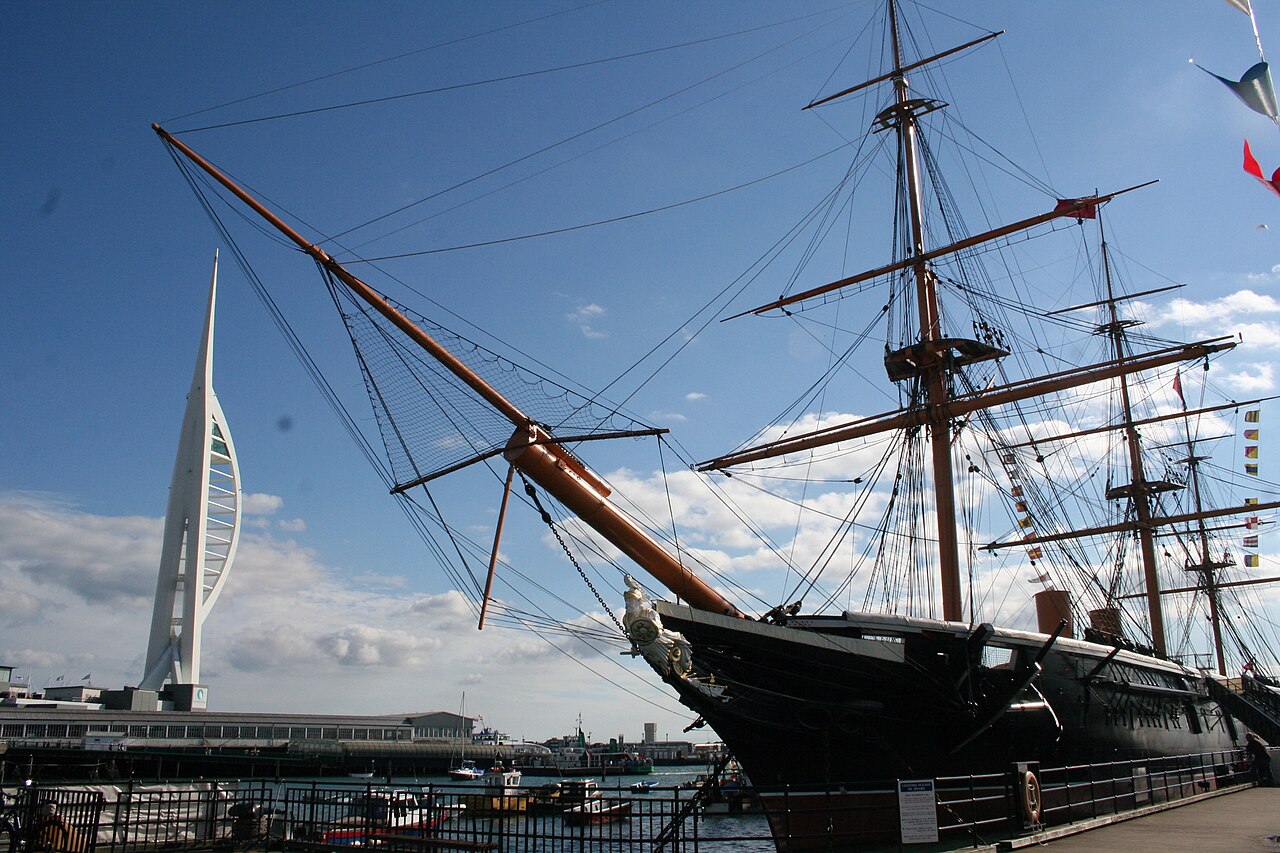
| HMS Warrior | Victorian | The pride of the fleet when launched in 1860 |
HMS Victory, the flagship on which Admiral Lord Nelson led the fleet at the Battle of Trafalgar, is preserved in the Historic Dockyard. Close by lies the Mary Rose, the Tudor warship that sank in 1545 and was famously lifted from the seabed more than four centuries later.
Castles, forts and a king’s eye view
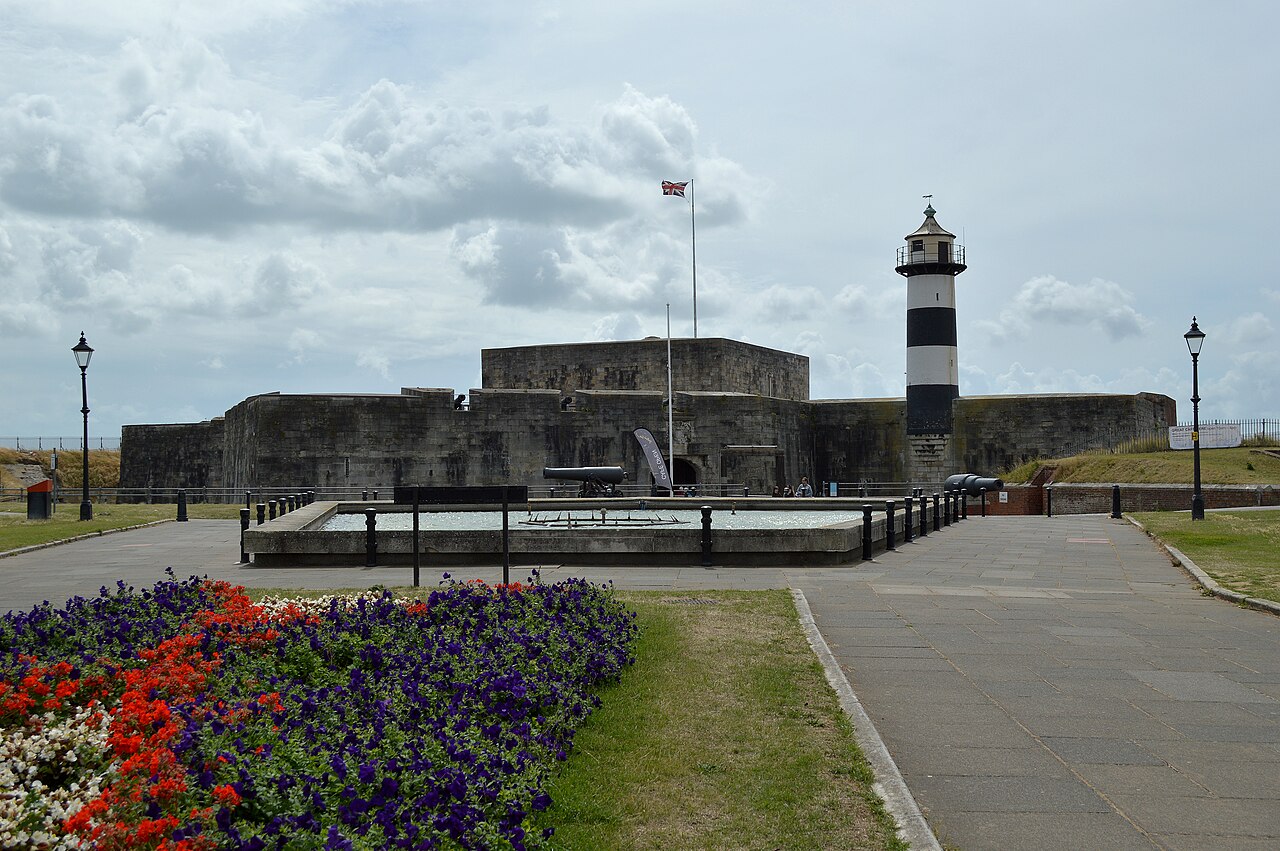
Southsea Castle was built on the orders of Henry VIII in the 1540s to guard the harbour mouth, and it was from near this very spot that the king is said to have watched the Mary Rose go down. It must have been a thoroughly bad afternoon at the office.
In later centuries a ring of forts rose on the surrounding hills and even out in the sea, built to repel a feared invasion that, as it happens, never came. These sturdy defences are a reminder of how often Portsmouth found itself on the national front line.
A city of famous names
Portsmouth has given the world a good deal more than ships. Over the years it has been home, however briefly, to some remarkable people:
- Charles Dickens, the novelist, was born in the city in 1812, and his birthplace is now a museum;
- Isambard Kingdom Brunel, the great engineer, was born here a few years earlier;
- Arthur Conan Doyle wrote some of his first Sherlock Holmes stories while working as a young doctor in Southsea.
It is a curious thought that the detective who defined crime fiction was dreamed up by a bored GP waiting for patients who were slow to arrive.
From D-Day to the present
In June 1944 Portsmouth played a central role in one of the defining moments of the Second World War, as thousands of troops gathered before setting out across the Channel for the D-Day landings in Normandy. The story is told today at The D-Day Story in Southsea.
The Royal Navy still calls Portsmouth home, and modern warships share the harbour with the historic fleet. To see where this heritage sits in the modern city, our visitor information guide maps out the main attractions, while the Spinnaker Tower gives you the whole story laid out below you from 100 metres up.