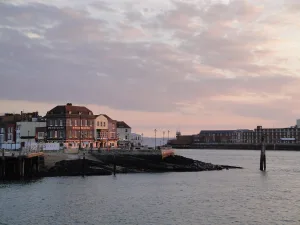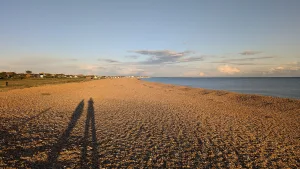
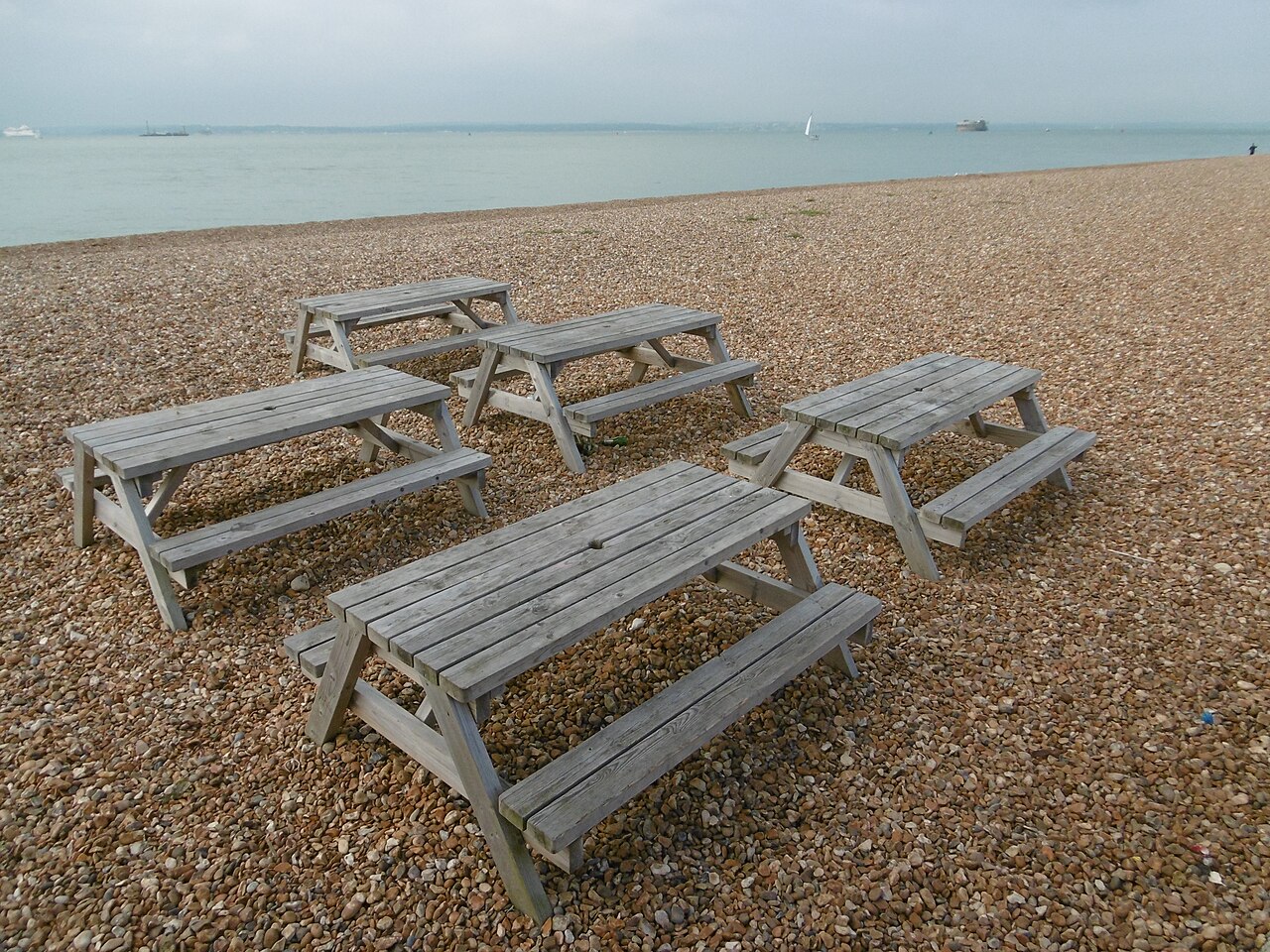
Southsea beach is Portsmouth’s front garden, a long shingle shoreline looking straight out across the Solent to the Isle of Wight. It runs for miles from Old Portsmouth round to Eastney, and on a clear day it is one of the finest stretches of coast in the south.
You might also like
Before you grab a towel, it helps to know what kind of beach this is, when it is at its best and what there is to do once the novelty of the sea view wears off. This guide covers all of it.
What Southsea beach is really like
First things first, this is a shingle beach rather than soft golden sand, so bring something to sit on and sensible shoes for the walk down to the water. The pebbles keep the beach clean and quick to drain, which means it rarely feels muddy even after rain.
The flip side is that paddling can be a wobbly affair, and bare feet take a bit of getting used to. Families often set up near the flatter sections by the promenade, where it is easier to lay out a picnic and keep an eye on little ones.
What the beach lacks in sand it makes up for in views and space. The wide promenade behind it is perfect for a stroll, a cycle or an ice cream, and the sea here is open and bracing rather than sheltered and still.
The best time to visit
Summer is the obvious choice, when the seafront buzzes with sunbathers, paddle boarders and families, but Southsea rewards visitors all year round. Spring and early autumn bring quieter pebbles and softer light, ideal for a long walk without the crowds.
Winter has its own appeal for anyone who likes a wild sea and an empty shore, though the wind off the Solent can be fierce, so wrap up warmly.
To help you plan, here is a quick sense of what each season offers along the front:
| Season | What to expect |
|---|---|
| Spring | Quiet beach, mild walks, fewer crowds |
| Summer | Warm and lively, busiest and best for swimming |
| Autumn | Golden light, calmer promenade, great for photos |
| Winter | Dramatic waves and bracing air, bring layers |
Things to do along the seafront
The beach is only half the story, because the Southsea seafront is lined with attractions within an easy walk:
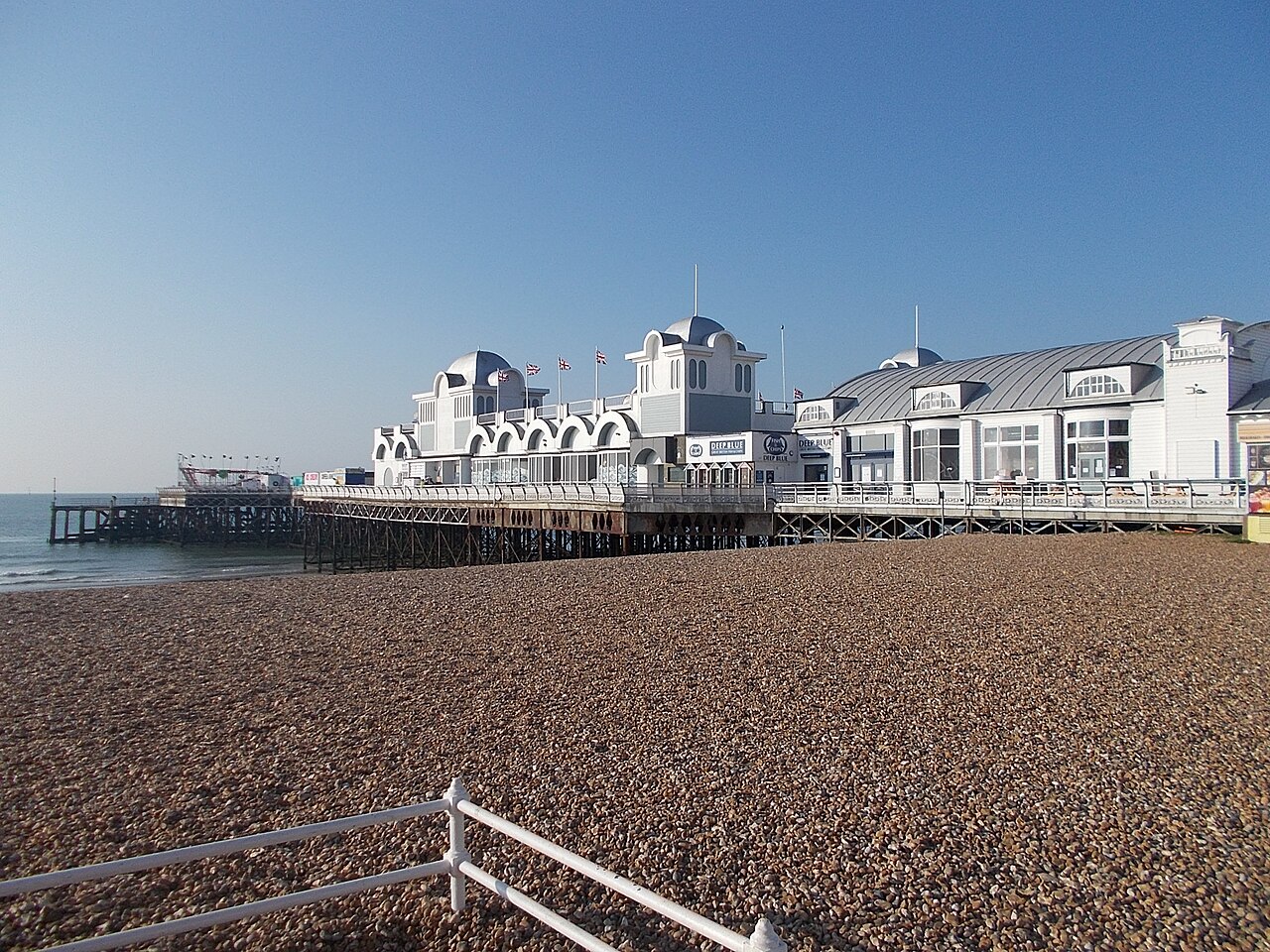
- South Parade Pier, with its amusements and sea views;
- Southsea Castle, Henry VIII’s coastal fort;
- The Blue Reef Aquarium and the D-Day Story a short stroll away;
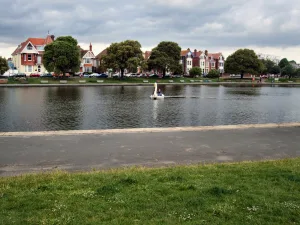
- Canoe Lake, the Rock Gardens and the model village for families.
Add in the cafes, crazy golf and the odd funfair, and you can happily fill a whole day without straying far from the shingle.
“On a sunny Saturday the whole city seems to end up on Southsea seafront,” one local told us. “Get there before eleven if you want a decent spot.”
Facilities, parking and getting there
Public toilets, cafes and kiosks are dotted along the promenade, and there is plenty of flat space for wheelchairs and pushchairs. Lifeguards patrol popular stretches in peak season, though you should always check the flags before swimming.
Drivers will find seafront pay and display parking along Clarence Esplanade and around Southsea Common, which fills quickly on hot days, so arrive early or use a park and ride. Buses from the city centre and from Portsmouth and Southsea station run close to the front.
Making a day of it
Southsea beach works best treated as a base rather than a single destination, somewhere to drift between the sea, the castle and a seafront lunch at your own pace. Check the tide before you settle in, as the shingle shelves steeply at high water, and pack something to break the wind along the open front.
Stay on for sunset if you can, with the Isle of Wight shimmering on the horizon and the pier lights coming up behind you, and a simple afternoon on the shingle turns into the kind of British seaside day people drive hours for.